
The Real Cost of Ignoring a Small Tear in Your Pool Screen
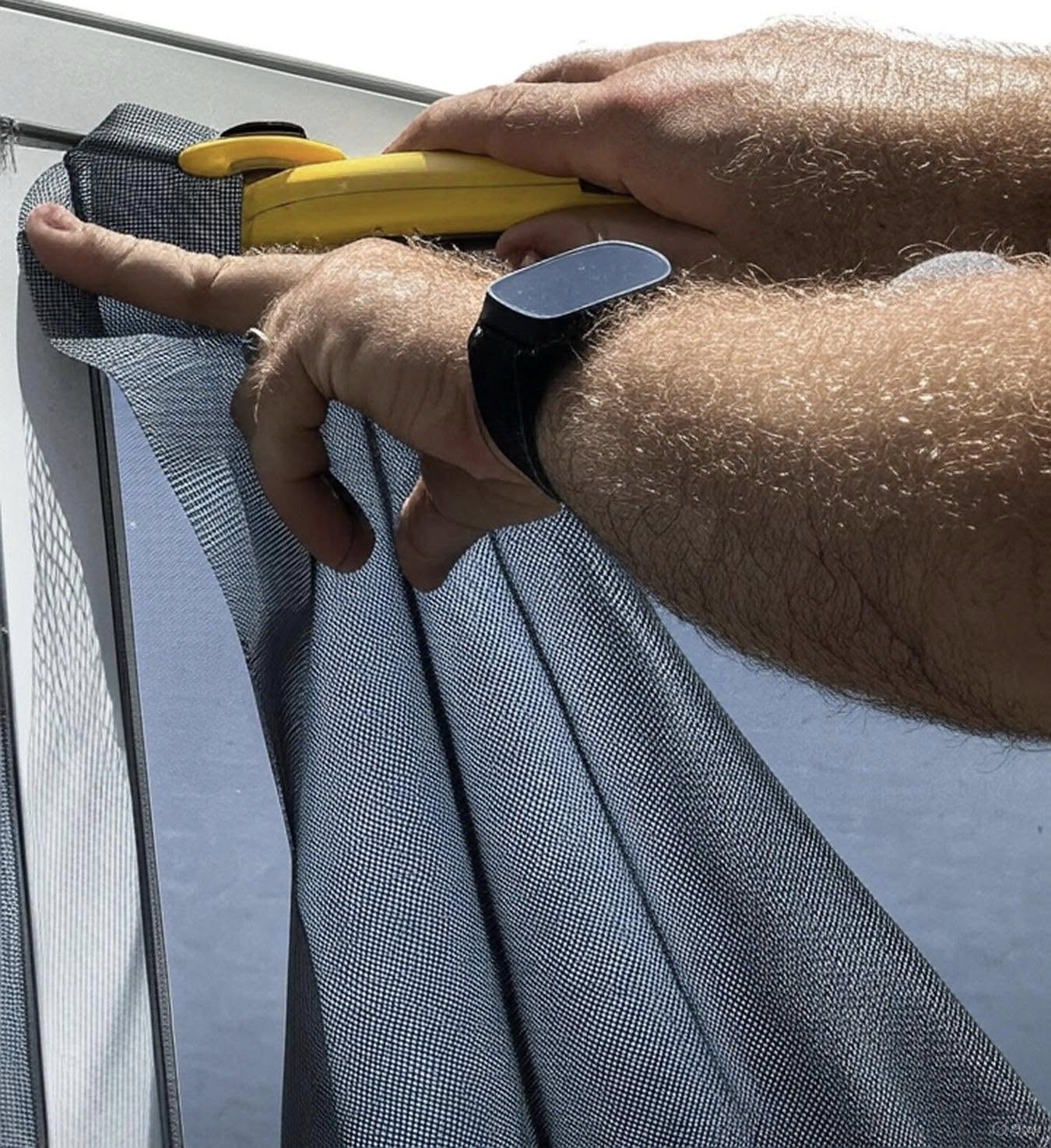
By Gian Nicolo, Owner
Most pool screen repairs begin with a sentence homeowners have said countless times.
“It’s just a small tear.”
At first glance, they’re usually right.
The opening may only be an inch or two long.
It doesn’t seem urgent.
The pool still looks fine.
The enclosure is still standing.
Life goes on.
Then six months later that tiny tear has become a ripped panel.
Mosquitoes are finding their way inside.
Leaves are blowing into the pool.
The enclosure suddenly looks neglected.
And what could have been a simple repair has become a much larger project.
One of the most expensive mistakes homeowners make is underestimating how quickly screen damage spreads.
Understanding why tears grow and how screen failures occur can save both money and frustration.
Pool Screens Rarely Fail Overnight
Most screen damage develops gradually.
Homeowners often assume a tear suddenly appeared.
In reality, the screen may have been weakening for years.
Florida’s environment continuously affects screen materials.
Every day your screens are exposed to:
- UV radiation
- Wind
- Rain
- Humidity
- Temperature changes
- Airborne debris
These conditions slowly reduce flexibility and strength.
The tear itself is often just the final stage of a much longer process.
Why Small Tears Get Bigger
Think about a small crack in a windshield.
Left alone, it usually spreads.
Pool screens behave similarly.
When wind pushes against the enclosure, pressure is distributed across the screen.
A tear creates a weak point.
That weak point becomes the area where stress concentrates.
Every gust of wind pulls on the damaged section.
Over time, the opening expands.
A one-inch tear becomes three inches.
Then six.
Then an entire panel may require replacement.
Insects Only Need a Tiny Opening
Many homeowners tolerate small tears because they assume bugs can’t get through.
Unfortunately, insects don’t need much space.
Mosquitoes, no-see-ums, and other pests can easily enter through surprisingly small openings.
Florida homeowners invest in pool enclosures largely because they want to enjoy their outdoor living space without constant insect problems.
Even minor screen damage begins reducing that protection.
Small Tears Allow More Than Bugs Inside
Insects aren’t the only concern.
Damaged screens also allow:
- Leaves
- Pine needles
- Seeds
- Grass clippings
- Dirt
- Debris
into the enclosure.
That means:
- More pool cleaning
- More deck cleaning
- More maintenance
What starts as a screen issue eventually creates additional work throughout the outdoor space.
Why Wind Makes Everything Worse
Florida homeowners know wind is unavoidable.
Even outside hurricane season, strong thunderstorms regularly move through the Tampa Bay area.
Every wind event places stress on damaged screens.
Think of a tear like a weak zipper.
The harder you pull, the faster it opens.
Wind accelerates the deterioration process dramatically.
Many homeowners discover major screen damage immediately after a storm because an existing weak spot finally gave way.
The Hidden Cost of Waiting
Homeowners often delay repairs because they’re trying to save money.
Ironically, waiting frequently costs more.
A small repair today may require:
- Minimal labor
- Limited materials
- Quick service
The same damage months later may involve:
- Larger repairs
- Additional panels
- Structural adjustments
- More labor
The earlier a problem is addressed, the more affordable it usually remains.
Pets Are Often Part of the Story
One of the most common causes of screen damage is family pets.
Dogs especially can:
- Jump against screens
- Scratch at screens
- Push through weakened areas
The initial damage may seem minor.
However, once the screen has been compromised, normal environmental forces often finish the job.
This is one reason many homeowners upgrade to pet-resistant screen materials.
Not All Screen Materials Age the Same Way
Many homeowners don’t realize there are multiple types of screen available.
Common options include:
Standard Fiberglass Screen
Affordable and widely used.
Polyester Screen
Stronger and more resistant to tearing.
No-See-Um Screen
Designed to block smaller insects.
Pet Resistant Screen
Ideal for households with active pets.
Choosing the right material can significantly reduce future repairs.
How Sunlight Weakens Screens
Florida sunshine is one of the biggest reasons screens eventually fail.
Ultraviolet radiation gradually breaks down screen fibers.
The process is slow.
Most homeowners don’t notice it happening.
Over time, however, the material becomes:
- Brittle
- Less flexible
- More vulnerable to tearing
This is why an older screen may suddenly fail during what appears to be a relatively minor wind event.
The screen wasn’t damaged by that one storm.
Years of sun exposure had already weakened it.
Warning Signs Your Screens Are Nearing Failure
Watch for:
- Frayed edges
- Loose panels
- Small holes
- Discoloration
- Brittleness
- Sagging screens
These warning signs often appear before major failures occur.
Addressing them early usually saves money.
Why Professional Inspections Matter
Many homeowners focus only on visible tears.
Professionals often identify issues homeowners miss.
An inspection may reveal:
- Aging screen material
- Improper tension
- Hidden damage
- Fastener concerns
- Structural movement
Sometimes the visible tear is only a symptom of a larger issue.
The Bottom Line
A small screen tear is rarely just a small screen tear.
It is usually the beginning of a larger problem.
The good news is that screen damage is often easy and affordable to address when caught early.
The homeowners who spend the least on repairs are usually the ones who act quickly.
Waiting almost never improves the situation.
And in Florida’s climate, small problems have a way of becoming much larger ones.
Frequently Asked Questions
Can a small tear be repaired?
In many cases, yes. The sooner it is addressed, the easier the repair typically becomes.
How fast do tears spread?
That depends on weather conditions, screen age, and location, but tears almost always grow over time.
Will a storm make screen damage worse?
Absolutely. Wind places additional stress on already weakened areas.
Should I replace one panel or all of them?
It depends on the overall condition and age of the enclosure. A professional evaluation can help determine the most cost-effective solution.
Ready for a Free Pool Enclosure Evaluation?
If your pool enclosure is showing signs of aging, oxidation, loose fasteners, torn screens, fading paint, storm damage, or structural wear, now is the time to have it professionally evaluated.
Screening DunRite specializes in:
- Pool Enclosure Restoration
- Pool Cage Rescreening
- Pool Cage Repair
- Aluminum Restoration
- Roof Cleaning
- Gutter Cleaning
- Screen Room Restoration
- Lanai Rescreening
Serving homeowners throughout Port Richey, New Port Richey, Trinity, Palm Harbor, Clearwater, Odessa, Wesley Chapel, Spring Hill, Tampa, and surrounding Florida communities.
Call or Text 727-645-9575
Book Your FREE Estimate Today
Don’t wait until minor issues become major repairs. Let Screening DunRite help you protect your investment and extend the life of your outdoor living space.
Need Pool Cage Rescreening in Tarpon Springs? Call 727-645-9575 or book a free estimate online .